
The 10-Second Tinnitus Treatment Trick Doctors Hope You Never Discover
Because the treatments and devices you trust may be silently making your tinnitus worse — triggering louder ringing, anxiety, and permanent brain damage.
By Dr. James Mitchell, MD — Harvard Neuroscience Researcher
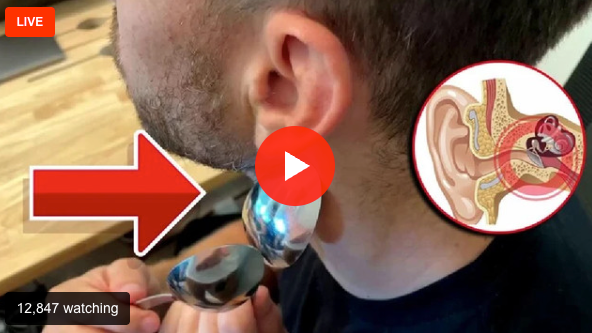
Does your constant ringing make you feel like you're losing your mind?
These Are Not Just Symptoms. They're Warning Signs That Brain Damage Has Already Begun.
If you notice 3 or more of these signs, your brain is already under attack — and the window to stop it is closing.
- The ringing gets LOUDER when you try to sleep, turning your bedroom into a torture chamber every single night
- High-pitched ringing that never stops — not even at 3am
- Constant buzzing or hissing sound in one or both ears
- Difficulty focusing or remembering things
- Snapping at loved ones over small things
- Waking up exhausted no matter how much you "sleep"
Millions of adults experience these warning signs — but few realize how quickly their brain's neural pathways can become permanently damaged once the ringing begins.
The Silent Epidemic In Your Brain... And the Breakthrough Doctors Ignore
Nearly 50 million Americans suffer from chronic tinnitus — and 1 in 5 describe their ringing as "debilitating."
Most doctors say: "You'll just have to learn to live with it."
But they're keeping something from you...
The shocking truth?
Tinnitus doesn't start with ear damage — it starts when your brain's "emergency alarm" gets stuck in the ON position, creating phantom sounds that torture you 24/7... until the neural pathways become permanent.
There Is a 10-Second Window Every Morning Where You Can Still Stop This — Before the Damage Becomes Irreversible
From Constant Ringing to Finally Hearing Silence

Mark T., 54 years
Father and Grandfather
"Not long ago, I felt like my life was falling apart."
Every morning, the ringing in my ears was the first thing I heard. It was louder than my alarm clock. Louder than my wife saying "good morning." There was always this high-pitched screaming sound in my head. And my breath... I was so anxious all the time that just getting out of bed felt overwhelming. I was ashamed to admit it, but some days I didn't even want to face my family. I felt like I was losing my mind.
The worst part? My grandkids started avoiding me.
I'd snap at them over nothing. "I TOLD YOU ALREADY!" The hurt look in their eyes... it killed me. But the ringing was so LOUD I couldn't control myself anymore.
Eating became torture too. Every time I chewed, the sound would get worse. Nights were sleepless, filled with panic and anxiety. I thought I would lose all my hearing... and maybe even lose myself.
Then I discovered the shocking truth: it wasn't my ears at all. It was my brain. The real problem was that my brain's emergency alarm was stuck ON — and every treatment I'd tried (pills, devices, sound therapy) was making it WORSE by ignoring the root cause.
I used the 10-second morning ritual every day.
When I started the 10-second morning ritual, everything changed.
Within a few weeks, the constant ringing stopped. My anxiety disappeared. My sleep became deep and restful again. My breath normalized. And for the first time in 12 years, I could sit in silence without hearing that torturous sound.
I could laugh with my grandkids again. I could enjoy dinner with my wife without the sound of chewing driving me insane. I could go to family gatherings and actually participate in conversations without shame.
My life didn't just improve — I got MYSELF back.
Discover how this simple ritual restores your brain and protects your hearing for good.
Constant Ringing Is The First Warning Sign
Mark's story is just one of thousands proving that what starts with constant ringing can end in permanent hearing loss, severe anxiety, depression, and cognitive decline.
But the 10-second ritual is the breakthrough that stops it before it’s too late.
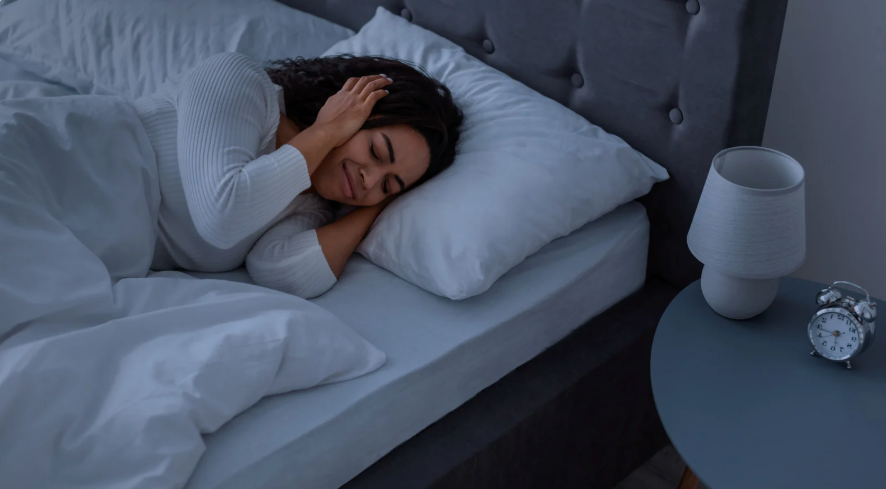
Constant Ringing Is Never "Normal"
That noise in your head gets LOUDER when you try to sleep — turning every night into torture. Your brain is in constant panic mode, destroying your rest and your health. Left untreated, it leads to chronic exhaustion, severe depression, memory loss, and complete mental collapse.
Featured Articles
Related Articles
Dr. Emily Johnson • August 26, 2024
Dr. Robert Miller • August 21, 2024
Dr. Sarah Thompson • August 25, 2024